
Stanley Druckenmiller Investments: The Macro Master Who Generated 30% Annual Returns Without a Single Down Year
.png)
Brian Nichols is the co-founder of Angel Squad, a community where you’ll learn how to angel invest and get a chance to invest as little as $1k into Hustle Fund's top performing early-stage startups
Stanley Druckenmiller started trading out of a Pittsburgh bank in 1977. He founded Duquesne Capital Management in 1981 at 28 years old. By the time he closed the fund in 2010, he had generated returns that most professional investors cannot conceptually achieve: 30% annual average, no down years, across nearly three decades.
He closed Duquesne because the emotional toll of maintaining that record while managing client capital had become unsustainable. "I feel like I let you down," he wrote to investors in 2010. He had not: the fund was up. He simply decided the pressure was not worth sustaining.
The Bank of England Trade
Stanley Druckenmiller investments include one of the most famous single trades in financial history. In September 1992, while serving as lead portfolio manager for George Soros's Quantum Fund, Druckenmiller identified that the British pound was fundamentally overvalued within the European Exchange Rate Mechanism. The Bank of England was defending an untenable peg.
Druckenmiller intended to short approximately $5 billion of pounds. Soros pushed him to go larger. The position reached $10 billion. On Black Wednesday, September 16, 1992, the UK government withdrew the pound from the ERM after exhausting its foreign reserves attempting to defend the peg. The trade generated over $1 billion in profit in a single day. Druckenmiller and Soros became the investors who "broke the Bank of England."
The scale of that trade is instructive. Druckenmiller identified the thesis clearly, sized the position to match his conviction, and held through the volatility. Eric Bahn of Hustle Fund has noted that the investors who generate the most asymmetric returns are the ones who size up when their thesis is strongest rather than defaulting to position limits. Angel Squad members building early-stage portfolios learn to apply similar conviction sizing across their deal evaluation process. See how at hustlefund.vc/squad.
The Macro Philosophy
Druckenmiller's investment framework is top-down global macro: identify the major secular trend, then size aggressively into the best vehicle for capturing it. He looks for liquidity inflection points, policy changes, and asymmetric risk-reward setups. When he is wrong, he exits quickly. When he is right, he holds concentrated positions.
His philosophy explicitly rejects diversification for its own sake. Diversification, in his view, can protect against ignorance but is a poor substitute for conviction. He will concentrate 40% or more of his disclosed portfolio into his top five holdings. In 2025 his Q1 13F filing showed $3.1 billion across just 52 holdings, with the top 10 positions representing nearly 60% of the book.
His most publicized regret is passing on Tesla in the early 2010s. He has called that decision "the worst investment mistake of my life." He more recently exited NVIDIA before its explosive AI-driven run in 2023, another painful miss on a position he understood well.

The Bitcoin and Gold Thesis
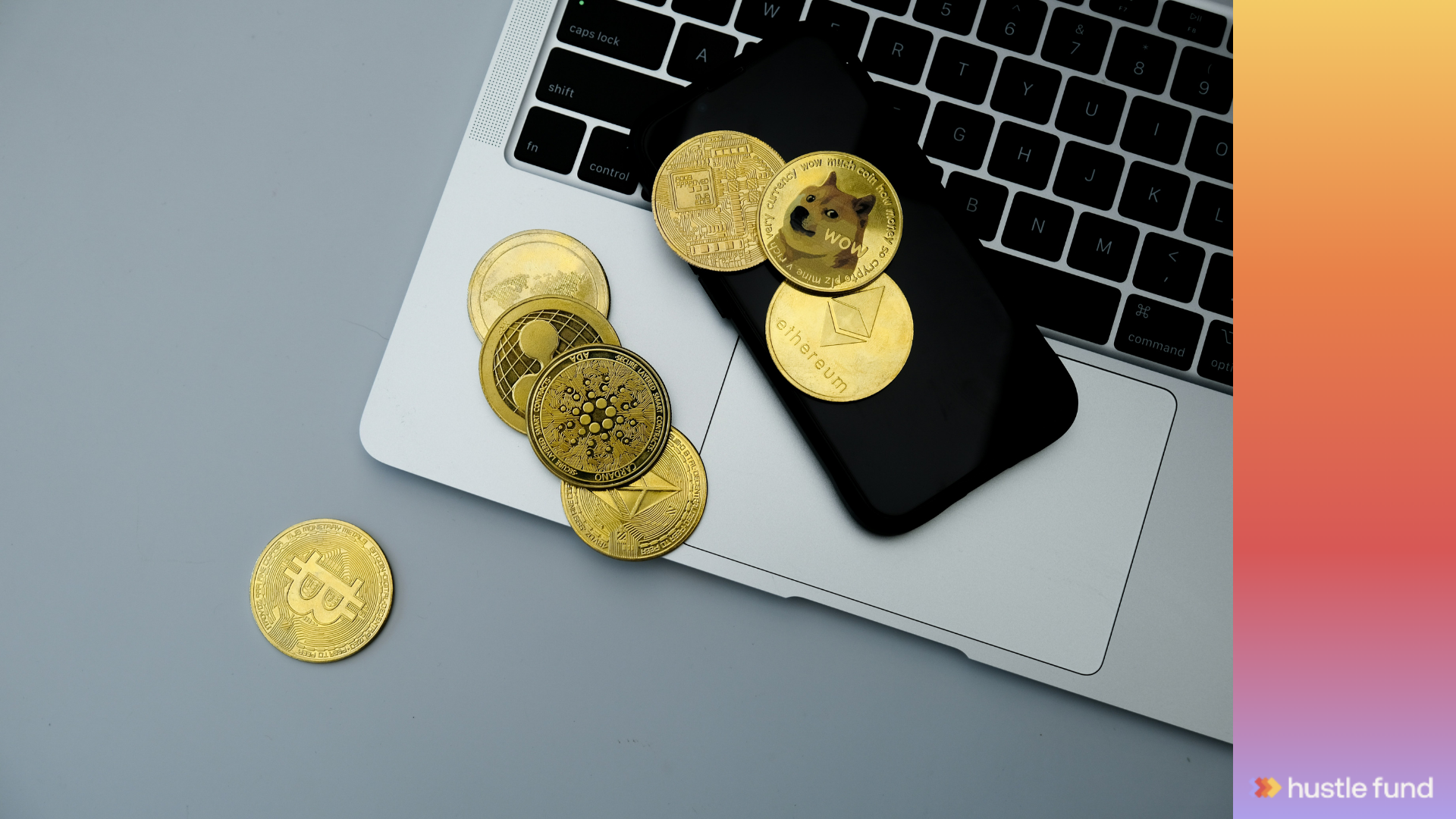
One aspect of Druckenmiller's recent investing that surprises people who only know him as a macro equities trader is his allocation to Bitcoin and gold. He has held both as hedges against what he describes as the long-term unsustainability of US fiscal deficits. He has been vocal about his concern that Congress will not make the politically painful spending cuts needed to stabilize the debt trajectory, and that the result will eventually be currency debasement.
His Bitcoin position predates most mainstream institutional adoption of the asset. He has described it as a store of value that younger investors prefer to gold, and has held the position as a tail-risk hedge rather than a primary return driver. His view on the relationship between monetary policy, fiscal deficits, and asset prices informs nearly every major allocation decision he makes.

The Duquesne Family Office
Since closing Duquesne Capital in 2010, Druckenmiller has managed his own wealth through Duquesne Family Office. His top disclosed holding as of Q4 2025 is Natera, a genetic testing and diagnostics company, which represents around 15% of his reported public portfolio. He holds a large stake in Coupang, the South Korean e-commerce platform, as well as positions in Coherent, Teva Pharmaceutical, energy companies including EQT and Chesapeake, and semiconductor supply chain names including Lattice and Taiwan Semiconductor.
In October 2024, he disclosed an investment in Reflexivity, an AI-powered financial analysis startup, his most recent documented private company investment. He has been public about his view that AI represents a technological revolution comparable to the internet, and has positioned his portfolio to reflect that view.
Elizabeth Yin of Hustle Fund has observed that the best investors in any era are the ones who identify the major infrastructure-building cycle early and back the companies building the rails, not just the applications riding them. Druckenmiller's move into AI infrastructure names reflects exactly that framework. Angel Squad members studying how macro trends translate into early-stage investment categories find these same frameworks useful. Explore the community at hustlefund.vc/squad.
Net Worth and Philanthropy
Druckenmiller's net worth is estimated at $7 to $8 billion as of 2025. He and his wife Fiona established the Druckenmiller Foundation, which focuses on education, medical research, and poverty alleviation. He signed the Giving Pledge in 2010, committing the majority of his wealth to philanthropic causes.









.png)