
Angel Investing Community: The Complete 2026 Guide for New Investors
.png)
Brian Nichols is the co-founder of Angel Squad, a community where you’ll learn how to angel invest and get a chance to invest as little as $1k into Hustle Fund's top performing early-stage startups
The angel investing community isn't what it used to be. Ten years ago, writing checks into startups required deep pockets, Silicon Valley connections, and probably an MBA from Stanford. Today? Join a community, start with a few thousand dollars, and learn alongside investors backing actual winners.
The global angel investment market hit $27.8 billion in 2024 and is climbing fast. But that number misses the real story. It's about the infrastructure making angel investing accessible to people who would've been shut out a decade ago.
Why Communities Matter More Than Ever
You can read every investing book and still have no clue what you're doing. Angel investing isn't like buying stocks. There's no price ticker. No earnings reports. Just you, a pitch deck, and a founder asking for money based on vision and early traction.
An angel investing community solves three problems: deal flow, learning curve, and credibility.
Deal flow is obvious. You need vetted companies where someone's done preliminary due diligence and the terms make sense. Individual angels cold-calling founders rarely find the best opportunities.
The learning curve is steep. How do you evaluate a pre-revenue SaaS company? What's reasonable for seed-stage biotech? When should you push back on terms? Communities let you watch experienced investors work through these questions in real time.
Credibility matters because founders choose their investors. If you're writing a $5K check, you're competing with other $5K checks. Founders pick investors who bring value beyond money. Being part of a respected community signals you're serious.
What Actually Happens in These Communities
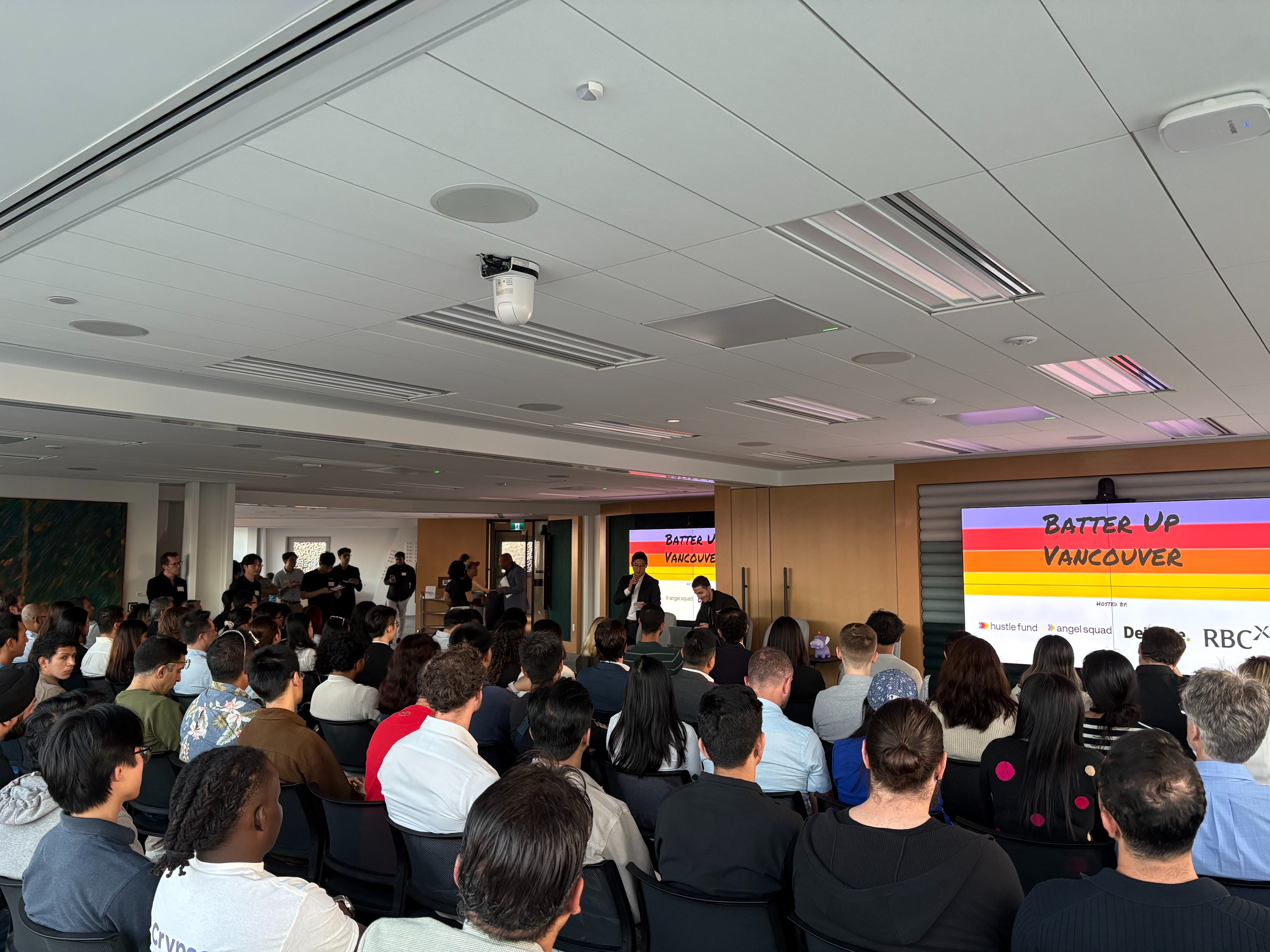
Angel Squad, which Hustle Fund launched in January 2021, runs weekly virtual events. Sometimes they bring in guests from top VC firms. Sometimes founders pitch. The goal is simple, to give members a peek behind the curtain of how professional investors evaluate deals.
The people running these sessions matter. Elizabeth Yin, one of Hustle Fund's co-founders, built and sold LaunchBit (an adtech company) before becoming a partner at 500 Startups where she ran their Mountain View accelerator. She's now one of the most recognized voices in early-stage investing, sharing tactical insights that founders actually implement.
Her co-founder Eric Bahn built and sold Beat the GMAT before joining 500 Startups and later working as a Product Manager at Instagram. The third GP, Shiyan Koh, scaled NerdWallet from 10 to 450 employees as their VP of Business Operations before moving into investing.
These aren't career VCs who jumped straight from banking to venture. They're operators who built companies, made mistakes, learned what works, and now invest based on that experience. That perspective shows up in how they teach.
What makes this model work is the structure. Members don't just watch presentations. They ask questions in the chat, they share domain expertise, they build reputations within the group. That's building actual value.
How Angel Squad Solves These Problems
Angel Squad exemplifies what a well-structured angel investing community looks like in practice. Members get weekly virtual and in-person events. Some weeks feature guests from top VC firms like Turner Novak or Ann Miura-Ko sharing their evaluation frameworks. Other weeks, founders pitch directly, giving members real-time practice in asking diligence questions.
The co-investment structure is straightforward: when Hustle Fund backs a company, members can invest alongside on identical terms with checks as small as $1,000.
No separate fees, no carried interest on top, just direct access to deals a professional team has already vetted. This model lets you build a diversified portfolio faster than solo investing while learning from each decision.
The Tactical Benefits You Actually Get
Let's get specific about what community membership does for you.
First, you get access to syndicates and co-investment opportunities. When Hustle Fund backs a company, Angel Squad members can invest alongside them on the same terms. You're not leading the deal. You're not negotiating terms. You're just deciding whether you want in. That's huge when you're starting out and don't have the credibility to lead rounds yourself.
Second, you compress your learning timeline. Instead of making every mistake yourself, you watch other people make them first. You see which questions experienced investors ask. You learn which red flags matter and which ones don't. Elizabeth Yin has reviewed over 50,000 pitches throughout her career. Eric Bahn can spot founder blindspots from his own startup experience. When you're in a community with investors like this, you're not learning from theory. You're learning from pattern recognition built on real portfolio outcomes.
One Angel Squad member spent three years meeting weekly with Ann Miura-Ko from Floodgate, learning how to evaluate deals before eventually starting his own syndicate. That kind of apprenticeship used to require family connections or top MBA programs. Now it happens through communities where you show up consistently and add value.
Third, you build a track record that compounds. When you invest through a community, you're not just writing checks. You're building relationships with co-investors. You're getting pattern recognition on what good deals look like. You're creating a portfolio that future LPs or fund managers can evaluate if you want to raise your own fund eventually.
How to Pick the Right Community
Not all communities are equal. Some are just Slack channels sharing random deal flow. You want structured enough to be valuable, but not bureaucratic.
Look for these things. Do they actually invest? If it's just education with no capital deployment, you're joining a course. Do organizers have skin in the game? Communities run by active investors who co-invest are better than those run by facilitators.
Check portfolio quality. Are companies raising follow-ons? Growing? Exiting? You want evidence the deal selection works.
Consider membership composition. Good communities mix newcomers and experienced investors. All newcomers means no one to learn from. All veterans and you might not find footing.
Also consider time commitment. Some groups require weekly attendance. Others are flexible. Figure out what fits your life.
Common Mistakes New Community Members Make
The biggest mistake is being passive. You can't just listen to pitches and expect deal flow. Members who get value engage. They ask questions. They share expertise. They help others think through decisions.
Another mistake is trying to invest in everything. New investors feel pressure to write checks just to participate. Bad idea. Pass on 90% of what you see and concentrate capital on deals where you have genuine conviction.
Don't underestimate relationships with co-investors. Your fellow members are future deal partners, reference sources, and potentially your LPs if you raise a fund.
What 2026 Looks Like for Angel Communities
The trend is clear. Angel investing is moving from solo checks to organized communities pooling knowledge and capital. The Angel Capital Association now represents over 15,000 members across 250+ angel groups.
More importantly, professionalization creates opportunities for people outside the traditional investor profile. You don't need to be a tech executive with a liquidity event. You need domain expertise, deal evaluation ability, and access to quality opportunities. Communities provide that access.
The communities that win are the ones solving for both education and action. New investors need to learn but also deploy capital and build track records. The sweet spot is learning by doing, with experienced investors alongside to prevent catastrophic mistakes.
If you're serious about angel investing, joining a community like Angel Squad isn't optional anymore. It's the fastest path from observer to credible investor. The market is growing. Opportunities are real. But you need infrastructure to capture them. Learn more about Angel Squad and start building your portfolio alongside investors who've backed over 600 companies at hustlefund.vc/squad.
The future of early-stage investing isn't solo operators making isolated bets. It's communities of smart people pooling pattern recognition, sharing deal flow, and building the next generation of founders together. That's how wealth gets democratized. That's how innovation accelerates. And that's where you should be.





.png)





.png)