
"I Want to Angel Invest But Have No Network" - Start Here
.png)
Brian Nichols is the co-founder of Angel Squad, a community where you’ll learn how to angel invest and get a chance to invest as little as $1k into Hustle Fund's top performing early-stage startups
The most common DM I get: "I want to start angel investing but I don't know any startup founders. How do I even begin?"
Most successful angels started with zero network. They built it. And in 2025, that's easier than ever.
The Network Myth
You don't need connections to start. You need curiosity, some capital, and a willingness to be helpful before asking for anything.
Mike Walsh and Oren Michaels invested $5K each in Uber's seed round in 2010. Those investments turned into $24.8M each by IPO. You think they knew Travis Kalanick from Stanford? Nope. They just showed up, asked smart questions, and wrote checks when other people hesitated.
The "you need a network" line is often gatekeeping disguised as wisdom. Sure, networks help. But they're built, not born with.
Start with Education, Not Networking
Here's where most people screw up. They try to network before they know anything. They show up to events, hand out business cards, and hope someone throws them a deal.
That's backwards.
Instead, spend your first 30-60 days learning everything you can about startup investing. Read every Paul Graham essay. Study Y Combinator's startup school materials. Understand terms like SAFEs, convertible notes, liquidation preferences, and cap tables.
Why? Because when you finally do meet a founder or another investor, you want to sound like you know what you're talking about. Nobody wants to explain what a cap table is to someone claiming they want to invest.
Communities like Angel Squad front-load this education. You get access to Hustle Fund's deal assessment framework, built from reviewing 40,000+ investment opportunities. You learn market sizing, portfolio construction, and legal basics before you write your first check.
Your First Deal Will Find You (If You're Helpful)
Once you understand the basics, the game changes. You don't need to hunt for deals. You need to become someone founders want to pitch.
How? Be aggressively helpful.
Start leaving thoughtful comments on startup Twitter. When someone shares their launch, ask a smart question. Not "how's it going?" but "have you considered this adjacent market?" or "have you talked to X company about partnership?"
Write about sectors you understand. If you worked in healthcare for 10 years, write about problems you saw that startups could solve. Founders read this stuff. VCs read this stuff. You start showing up in searches.
Introduce people who should know each other. Someone building a fintech tool? Intro them to your friend who works at a bank. Don't ask for anything. Just be useful.
Haley Bryant, who helps run Angel Squad programming, told me this: "The investors getting the best deal flow aren't the ones with the biggest checks. They're the ones founders actually want to work with."
Join Where Deals Already Exist
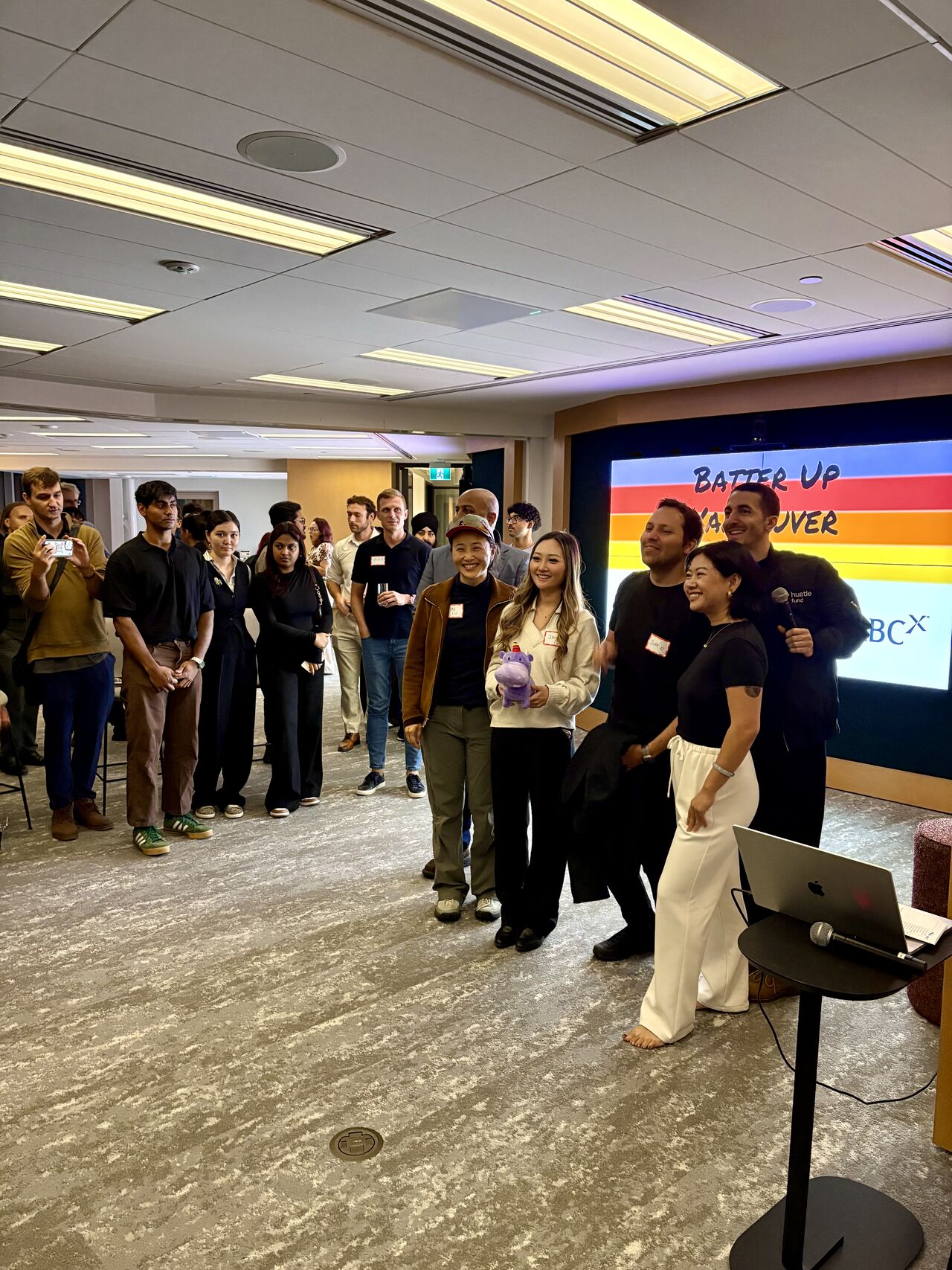
Go where curated deal flow already exists.
Angel Squad members get access to 2-3 vetted deals per month from Hustle Fund's pipeline. You're not cold-calling founders. You're reviewing companies that a fund with 600+ portfolio companies thinks are worth investing in.
You can also check out platforms like AngelList, which started as a way for angels without networks to access startup deals. Republic and Wefunder offer crowdfunding deals, though the valuations can be inflated.
You don't need to know founders personally. You need to be where good founders are already pitching.
Build Pattern Recognition Fast
The network compounds once you start making investments. Write your first check, and suddenly you're an investor. Write five checks, and you start developing opinions. Write 10 checks, and founders start asking your advice.
The key is volume. Small checks ($1K-$3K) let you take more swings. Each investment is a learning opportunity, a relationship with a founder, and a potential introduction to their network.
What To Do This Week
Forget about networking for now. Focus on these three actions:
Join an angel investing community. Angel Squad, On Deck Angels, SoGal Ventures – pick one that fits your background and budget. You'll immediately have access to investors who can answer questions and deals you can learn from.
Set up coffee chats with three current angels. Not to ask for deals. To ask how they got started, what they wish they knew, and what mistakes they made. Most investors love talking about themselves.
Write one post about a problem you understand deeply. Doesn't have to be long. Just share something you learned from your career that startup founders might find useful. Tag it with relevant startup hashtags. See what happens.
The Six-Month Plan
After 60-90 days of education and 2-3 small investments, you'll notice something: people start asking your opinion. Founders will pitch you. Other investors will ask to co-invest.
That's not luck. That's the network emerging from action.
By month six, you should have:
- Made 5-10 small investments
- Built relationships with 20-30 other angels
- Developed strong opinions about 2-3 sectors
- Started seeing inbound deal flow
None of this requires knowing a single person when you start. It just requires showing up consistently and being genuinely helpful.
The Bottom Line
The "I don't have a network" excuse is really "I haven't started building one yet." Those are different problems with different solutions.
Everyone starts somewhere. The investors who matter, the ones backing multiple unicorns and building real portfolios, they were all outsiders once. They just refused to let that stop them.
Angel Squad exists specifically for people without networks. That's the whole point. You get deal flow from Hustle Fund, education from GPs who've invested in 600+ companies, and a community of 2,500+ investors from 40 countries who all started from zero.
Your network is waiting for you to build it. You can start today with a $1K check and a willingness to learn. That's the only network requirement that actually matters.











.png)