
Access to Startup Investing Changed in 2024—Here's How
.png)
Brian Nichols is the co-founder of Angel Squad, a community where you’ll learn how to angel invest and get a chance to invest as little as $1k into Hustle Fund's top performing early-stage startups
If you explored angel investing five years ago and concluded access was too limited, the landscape has changed dramatically. The barriers that existed in 2019 or 2020 have largely fallen. What replaced them is infrastructure that makes quality startup investing genuinely accessible.
This is what changed and what it means for you.
Change 1: Minimum Investment Amounts Dropped Dramatically
The old reality: Typical angel investments required $25,000-50,000 checks. Building diversified portfolio meant $500,000+ commitment. Access existed but was practically limited to wealthy individuals.
What changed: Community-based investing with SPV (Special Purpose Vehicle) structures enabled $1,000-2,500 minimums. Technology reduced administrative costs. Aggregation made small checks economically viable.
The new reality: Build portfolio of 20+ investments with $20,000-50,000 total commitment. Still requires accreditation and surplus capital, but dramatically more accessible than before.
What this means for you: If minimum investment amounts previously blocked you, that barrier is largely gone. $1,000 investments through communities like Angel Squad enable proper portfolio construction without massive capital requirements.
As Elizabeth Yin, co-founder and GP of Hustle Fund, explains: "Getting deal flow & education have been the bigger blockers to date" for new investors.
Lower minimums addressed the capital barrier. Deal flow and education barriers required different solutions.
Change 2: Community Infrastructure Matured
The old reality: Investor communities existed but were often informal networks without structured deal flow, education, or operational support. Quality varied wildly.
What changed: Professional communities emerged with institutional backing, curated deal flow, educational programming, and operational infrastructure. Angel Squad launched with Hustle Fund's backing. Similar communities developed with varying approaches.
The new reality: Comprehensive investor communities provide deal sourcing, education, peer support, and operational handling in single membership. Individual investors access institutional-quality infrastructure.
What this means for you: You don't need to piece together deal flow, education, and support from separate sources. Comprehensive communities provide complete infrastructure for building angel investing practice.
Change 3: Deal Flow Quality Became Accessible
The old reality: Best deals went to top VCs and well-connected angels. Community and platform deals were often lower quality (adverse selection). Quality deal flow required extensive personal network.
What changed: Venture funds began sharing deal flow with affiliated communities. Institutional curation applied to community-accessible opportunities. Quality floor raised significantly.
The new reality: Community members access deals from institutional pipelines. Angel Squad provides opportunities from Hustle Fund's review of 1,000+ monthly applications. Quality comparable to what fund invests in directly.
What this means for you: Quality deal flow no longer requires extensive personal network. Community membership provides access to institutionally-curated opportunities.
As Eric Bahn, co-founder and GP of Hustle Fund, emphasizes: "For beginners, a bigger startup portfolio is better. It helps with diversification and helps you learn and get reps in. Investing requires practice like everything else."
Quality deal flow enables meaningful practice rather than random learning.
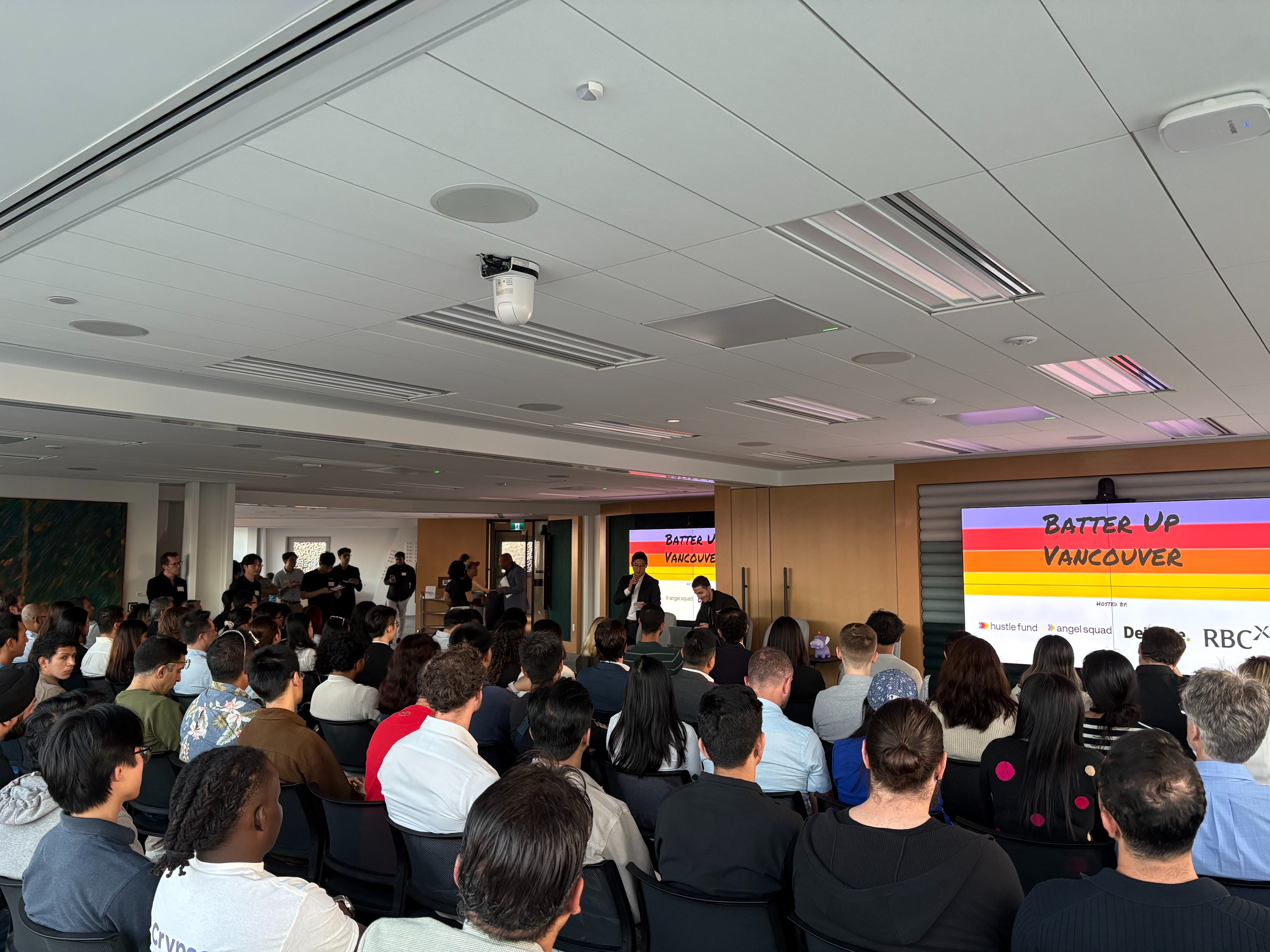
Change 4: Education Became Integrated
The old reality: Learn about angel investing from books, blogs, and courses. Apply learning to deals sourced separately. Disconnect between education and application.
What changed: Communities integrated education with deal flow. Learn frameworks and immediately apply to real opportunities. Practitioners teach rather than academics.
The new reality: Weekly programming from active VCs alongside deal review. Apply concepts to actual decisions. Feedback loop accelerates learning.
What this means for you: Learning happens in context of real investing rather than abstract preparation. Development is faster and more practical.

Change 5: Geographic Barriers Fell
The old reality: Startup investing was concentrated in hubs (Silicon Valley, New York, Boston). Angels needed physical presence for deal access and relationship building.
What changed: Remote-first communities, virtual deal presentation, and digital infrastructure enabled geographic independence. COVID accelerated trends already underway.
The new reality: Angel Squad has 2,000+ members across 40+ countries. Location no longer determines access to quality deals or community participation.
What this means for you: Don't need to live in startup hub to build legitimate angel investing practice. Access is location-independent.
As Shiyan Koh, co-founder and GP of Hustle Fund, notes: "Great founders can look like anyone and come from anywhere."
Geographic democratization means investors can also come from anywhere.
Change 6: Operational Complexity Decreased
The old reality: Individual angels managed their own legal documents, wired funds directly to companies, tracked investments in personal spreadsheets. Significant administrative burden.
What changed: SPV structures aggregate investors, standardize documentation, and handle administration. Platforms manage document signing, fund transfers, and record keeping.
The new reality: Indicate commitment, sign documents electronically, wire funds once, receive updates through platform. Operational complexity handled by infrastructure.
What this means for you: Focus on evaluation and decision-making rather than administrative tasks. Infrastructure handles operational complexity.
What Hasn't Changed
Accreditation requirements: Still need $200,000+ income or $1,000,000+ net worth. Regulatory framework unchanged.
Risk profile: 60-70% of investments still return zero. Power law returns still dominate. Portfolio approach still essential.
Timeline: 7-10+ years to meaningful outcomes. Extended illiquidity unchanged.
Success factors: Portfolio discipline, consistent sizing, patience, and sustained engagement still determine outcomes.
The fundamental activity: Evaluating opportunities, making decisions under uncertainty, supporting founders. Core skills unchanged even as access improved.
Taking Advantage of the New Landscape
For those previously blocked by minimums: $1,000 investments now enable portfolio construction. If capital was barrier, reassess.
For those previously blocked by location: Remote access eliminates geographic barrier. If location was reason not to start, reassess.
For those previously blocked by network: Community deal flow eliminates network requirement. If connections were barrier, reassess.
For those who tried before with poor experience: Infrastructure improvements mean different experience now. If you tried years ago and struggled, reassess.
The Current Opportunity
Why now is favorable time to start:
Infrastructure maturity: Communities and platforms have refined operations over years. Early adopter problems largely solved.
Valuation normalization: Post-2021 reset means reasonable entry prices. Better environment than peak froth.
Deal flow quality: Institutional curation is established. Quality available to community members.
Educational resources: Abundant free content for foundation building. Community programming for ongoing development.
Peer networks: Active communities provide support and accountability. Don't need to invest in isolation.
Getting Started in Current Environment
Step 1: Build knowledge foundation (4-6 weeks) Use freely available content for basics. Portfolio construction, investment structures, evaluation frameworks.
Step 2: Join community (week 7-8) Select community providing deal flow, education, and support. Angel Squad offers comprehensive infrastructure with Hustle Fund's institutional backing.
Step 3: Observation period (weeks 9-16) Review opportunities without investing. Develop pattern recognition. Apply frameworks to real deals.
Step 4: First investment (weeks 17-20) Select opportunity meeting your criteria. Execute investment process. Begin portfolio construction.
Step 5: Portfolio building (years 1-3) Maintain quarterly investment pace. Build toward 20+ investment portfolio. Sustain engagement through community.
The access landscape has fundamentally changed. Barriers that existed years ago have largely fallen. Infrastructure that didn't exist is now mature. The question is no longer "can I access startup investing" but "will I take advantage of access that's now available."
Angel Squad represents current best practices in access infrastructure: institutional deal flow from Hustle Fund's pipeline, $1,000 minimums enabling portfolio construction, comprehensive education from active VCs, and 2,000+ member community providing peer support regardless of location.
The access problem is solved. What remains is your decision to take advantage.











.png)